To: The Senate Finance Committee from an Economist and a Doctor (abbreviated)
We wish to comment on the Committee’s statement that studies of geographic variation consistently show that 30% of Medicare spending is wasted, and on the Committee’s conclusion that policies requiring spending reductions by physicians whose spending is above a certain threshold may be useful.
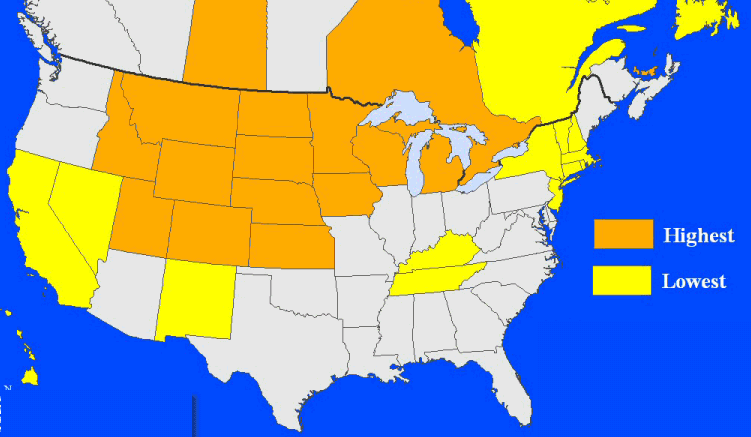
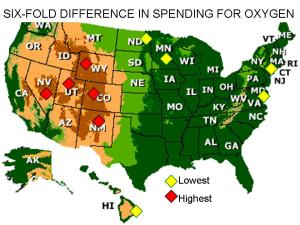
While the studies cited are consistent, so too are their methodological shortcomings. In particular, Medicare spending cannot serve as a proxy for real resources inputs (labor and capital) (see Mississippi, Alabama and Nevada). When total health care spending is assessed, instead, higher resource inputs are generally associated with better quality, even recognizing that the highest resource use is by patients who are sickest and whose outcomes are the poorest.
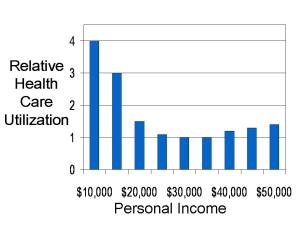
The notion of “30% waste” has deeper roots in an invalid thread of logic that begins by characterizing regional differences in Medicare spending as “unexplained,” and because differences are “unexplained,” they must be unwarranted, and because they are unwarranted, they must be wasted. Logic dictates that, when differences are unexplained, explanations must be sought. In fact, when that has occurred, variation has been attribltable to differences in the prevalence of disease, patients’ risk factors, patients’ income, community characteristics and even altitude. Moreover, these pervasive and stubborn variations have been found in other developed countries, where health care financing and delivery systems are very different from the US.
The belief that broad-scale geographic variation in Medicare spending can offer a path to short-run savings is incorrect. It should not form the basis for incentives or penalties affecting physicians’ practices. Indeed, restrictive policies, including those under consideration, could deprive some patients of beneficial care.
Richard A. Cooper, MD, Professor of Medicine Mark Pauly, PhD, Bendheim Professor of Health Care Management and Economics University of Pennsylvania
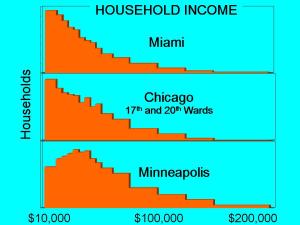 Although the Dartmouth folks grumble that “single working mothers in Nebraska are footing the bill for gold-plated health care provided to high-income Medicare enrollees in Miami,” it’s Miami’s poor who use the most. So, the message is that poverty is expensive to the health care system, including to Medicare , and like Chicago’s south side, south-Florida has lots of it, while Minneapolis has very little. Miami’s poorer outcomes reflect its burden of poverty and Florida’s overall under-investment in health care. Yes, Mr. Obama is right. A straight-talking conversation will ultimately yield significant insight about spending. The title of that conversation may surprise some, but it won’t surprise the President – it’s POVERTY.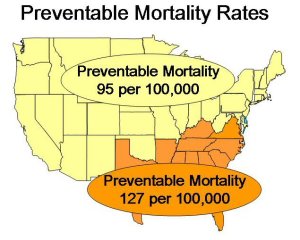

 Buz Cooper MD